

Every live reading, one panel, before the vial moves.
RTSM and eClinical platforms, side by side — arranged by workflow coverage, service model, and how each handles change after first patient in.
How to read this page
A comparison that tells you where platforms differ
A comparison page is only useful if it points at the places two platforms differ in a way that changes your study. This page covers the RTSM/IRT platforms and broader eClinical suites most often evaluated for US trials, arranged by workflow coverage, service model, and how each handles change after first patient in.
We do not rank vendors, and we do not print a quote. What the page gives a clinical operations lead is a shape to argue with: which modules actually share a data model, who you call when a depot shipment is wrong, and how an amendment is scoped. Where a claim comes only from a vendor's own materials, we say so. Where a detail has not been verified, it is marked as unverified rather than filled in with a guess.
Focused RTSM and IRT providers
Concentrated on randomization and trial supply, often with a dedicated support team and a narrower integration surface.
Broad eClinical suites
RTSM folded into a stack that also carries EDC, CTMS, eCOA/ePRO, eConsent, and eTMF under one vendor relationship.
Where the integration budget goes, and who answers at 2 a.m.
Neither shape is newer or better; the shape just decides what your team spends its attention on.

The depot floor: where a reading stops being abstract
What to check, module by module
Workflow coverage is where the differences live
A module list on a vendor page tells you what exists. It does not tell you which modules share a data model, and that is the part that determines how much manual reconciliation your team does.
Randomisation and IWRS
Ask whether the platform handles dynamic randomization, stratification by site and country, kit resupply, expiry and quarantine handling, and unblinding requests in the same place a study manager actually works.
Site and country layers are the first thing to test — they are usually where a stratification factor quietly diverges from the protocol.
Resupply, expiry and quarantine are the workflows that touch a depot — ask who owns the trigger when a shipment needs to be recalled or re-dispatched.
The unblinding request path is a support question as much as a software one — who approves it, and in how many steps.
Where clinician-reported and patient-reported instruments are included, are they managed in the same system, or does the participant-facing workflow sit elsewhere?
eConsent must hand a consented participant into the treatment workflow without duplicate entry — a small interface question with an outsized operational cost if it fails.
Does the platform expose participant-facing workflows itself, or does that live in a separate product that a site coordinator has to be trained on twice?
Participant-facing workflows
Where eCOA and ePRO sit is often the difference between one coordinator workflow and two, and it shows up first in the sites running the busiest schedule.
EDC, CTMS and eTMF
Randomization must reconcile with the clinical database, CTMS needs enrollment and site activity to stay current, and eTMF collects the documents that prove the study was run as described. All three become interface work the moment the platforms are not from one vendor.
-
EDC reconciliation. Randomization and the clinical database agree or they do not — ask for the interface specification, not a verbal assurance that the systems integrate.
-
CTMS enrollment feed. Enrollment and site activity stay current only when the feed is automated; a manual reconciliation report is a slow leak.
-
eTMF document flow. Documents filed by hand age fast — ask who owns the filing trigger when a site uploads to a different system.
-
Reference implementation. Ask for a study comparable to yours where the interface is already live, not a slide describing the plan.
Side by side, on the same readings
RTSM on the left, the eClinical suite on the right
Each row below is the same question asked of both sides, so you can see where a focused RTSM and IRT provider and a broad suite give different answers. Where a singular reading does not apply to one side, the row says so rather than forcing a value.
-
Randomization depth
Dynamic randomization with stratification by site and country is standard, and it is usually the reason the platform exists.
-
Supply management
Kit resupply, expiry and quarantine handling are often first-class, because supply is the point.
-
Integration surface
Narrower by design — one interface to EDC, one to CTMS, and each one becomes your team's to maintain.
-
Support path
Typically a dedicated team you can name, focused on randomization and supply questions.
-
Mid-study change
A treatment-arm addition or a stratification change is scoped by specialists whose whole build cycle expects it.
-
Where it is thin
Modules like eTMF or participant payments usually live outside the platform, and integration work pays for what the vendor says it cannot do.
-
Randomization depth
Depth varies by vendor; some suites carry RTSM natively and others rely on a partner or a separate product.
-
Supply management
Supply may be native, resold, or routed to a specialist partner — the support path differs in each case.
-
Integration surface
Where RTSM, EDC and CTMS come from one vendor, the interface work is largely internal.
-
Support path
A single escalation lane across modules — useful when the issue is at a seam, less useful when it is deep in one module.
-
Mid-study change
A change that crosses modules may flow through configuration, or it may need rebuild with a shared release window.
-
Where it is thin
One module is usually weaker than the rest — ask which, and whether the compensation is real or marketing.
Vendor-by-vendor notes
Each of these is a different bet on where the workflow should be unified
- IQVIA Evaluated as a broad suite vendor whose technology spans IRT, eCOA, eConsent, participant and site payments, budgeting and benchmarking, patient engagement, digital planning, and analytics.
- Medidata Carries myMedidata as its participant-facing layer alongside EDC and RTSM.
- Medrio Announced a CTMS in November 2026 and describes CTMS, EDC, eCOA/ePRO, eConsent, eTMF, and RTSM as one connected platform.
- YPrime Covers consent, randomization, trial supply, and outcome data on one platform, and publishes an IRT page describing more than twenty years of dedicated IRT work.
- Suvoda Appears across current platform descriptions including eCOA, and is the name most often shortlisted by teams already running an IRT-focused workflow.
- Signant Appears across current platform descriptions including eCOA.
Where a claim comes only from a vendor's own materials, we say so. Detail we have not verified stays unverified.
Pricing and platforms outside the US trial market
This page does not rank vendors, and it does not cover pricing, which varies by study size, module mix, and contract term. It also leaves out platforms with no meaningful US trial presence, because a comparison you cannot act on wastes your time.
No comparable entry for this row. Where the answer is not on the page, say so plainly and follow the reading with a direct question to the team.
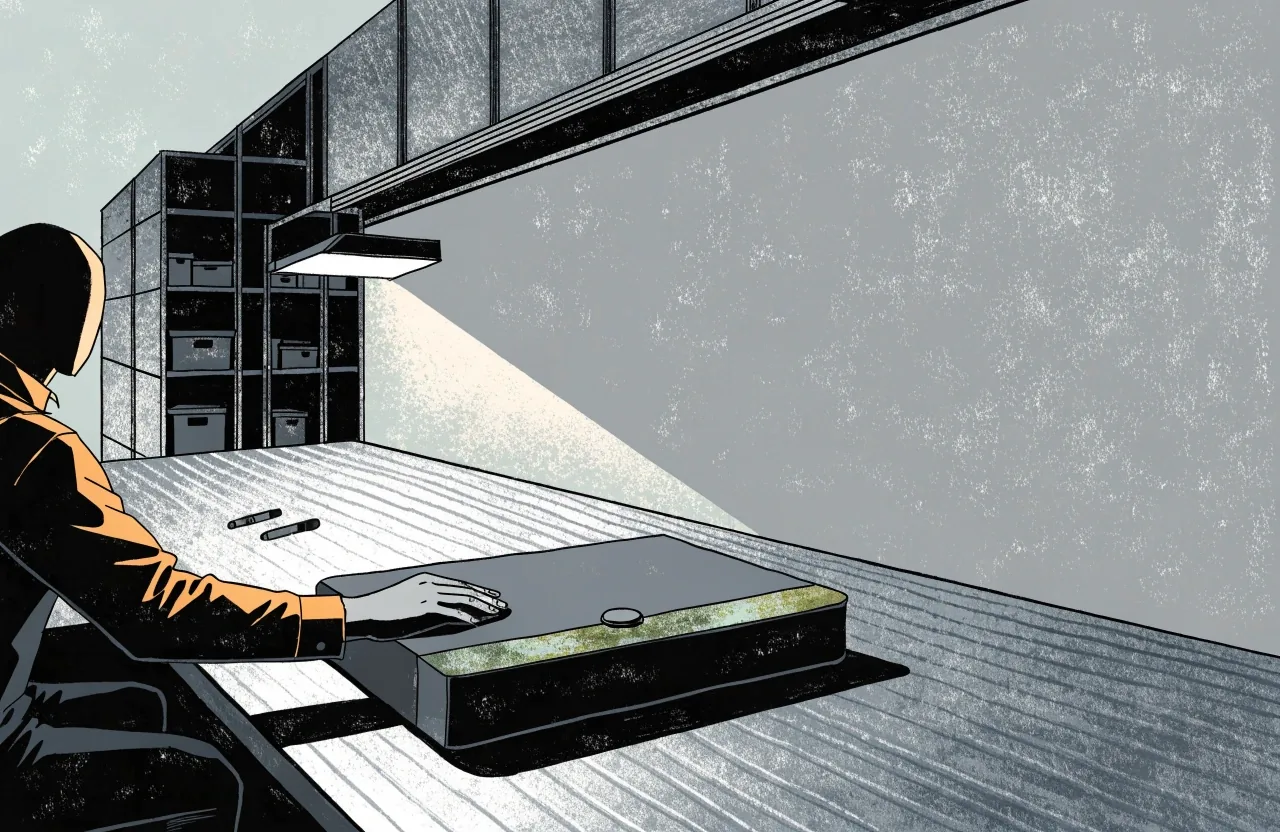
The reading room: where the comparison gets a name and a phone number next to it
Service model
Where your study manager actually sits
The service model shows up late in a procurement and matters early in a trial. Ask where your study manager sits, how coverage works across US and non-US hours, and who owns a change request from intake to release. A vendor that cannot answer that in one sentence has not thought about it, or has an answer you will not like.
The 2 a.m. question
When a depot shipment is wrong, who answers the phone — the vendor's own team, or a partner routed through a second support line?
Mid-study changes
The amendment path separates them
Every platform handles the initial build. The amendment path is what separates them. Adding a treatment arm, changing a stratification factor, or shifting a country's depot forces a change that either flows through configuration or triggers a rebuild. Medrio's connected-platform positioning and the IRT specialists both claim speed here. The way to test it is to hand each vendor a change comparable to one you have already run and watch how they scope it.
- Hand them a real change. Not a hypothetical — one comparable to a change you have already run on a live study.
- Watch the scoping. Where the vendor's answer goes vague is the seam that will cost you time in an amendment.
- Watch the questions. A vendor that asks about your design before describing its product is a good sign; a vendor that describes its product first is describing a slide.
- Pricing comes after. A quote is only meaningful against a scoped workflow — not before.
How to run the comparison yourself
Shortlist three, not eight
Build a shortlist of three. For each, list the modules you will actually use and the ones you will never turn on. Then run one comparable study through the vendor's process, from scoping to a mid-study amendment, and note where the answers get vague. Vague is a signal. Pricing comes after this step, because a quote is only meaningful against a scoped workflow.
Integrations with EDC, CTMS, and eConsent
Where a suite's advantage shows up or evaporates
Integration is where the case for a suite either holds or falls flat. Randomization must reconcile with the clinical database. CTMS needs enrollment and site activity to stay current. eConsent must hand a consented participant into the treatment workflow without duplicate entry. If RTSM, EDC, and CTMS come from one vendor, the interface work is largely internal. If they do not, ask for the interface specification and a reference implementation, not a verbal assurance that the systems integrate.
Interface spec
Ask for the document, not the promise.
Reference study
One live comparable where the interface already runs.
Migration path
What happens when a module is added mid-study.
Common questions before shortlisting
What sponsors ask us first
Should a sponsor choose a suite or a standalone RTSM vendor?
It depends on how much integration work the study can absorb. A suite reduces vendor count and interface risk but may be weaker in one module. A standalone vendor tends to be stronger in its specialty and requires more integration effort. Decide which cost your team would rather carry.
Do all eClinical suites include RTSM?
No. Some suites include randomization and trial supply as a native module, and some rely on a partner or a separate product. Confirm whether RTSM is built in, resold, or integrated, because the support path differs in each case.
How long does an RTSM implementation usually take?
It varies with study complexity, the number of countries, and the supply design. Rather than quoting a generic range, ask each vendor to walk through the last three comparable studies, including any amendments, and give you the timeline from kickoff to first patient randomized.
Where to go next
Match your study to a platform class
If the shortlist is set and you want a second reading, send us the study shape — number of arms, countries, and the modules you actually plan to turn on. If a row on this page reads stale against what you are seeing from a vendor, tell us and we will say so on the page.
Reach the team
- Address
- 1201 Innovation Drive, Suite 300, Cambridge, MA 02142
- Phone
- +1-617-555-0184
- Hours
- Monday–Friday, 9:00 AM – 6:00 PM